
If you’ve never heard of Tannat, you’re not alone — and honestly, that’s part of what makes it so exciting.
While Cabernet Sauvignon and Pinot Noir dominate wine lists and conversation, Tannat has quietly been building a devoted following among wine lovers who crave something different. Something bold. Something with a story.
At Four Bridges Wines, we’ve made Tannat one of the cornerstones of our Paso Robles lineup — and we believe it represents one of the most compelling, underexplored opportunities in California wine today. Here’s why.
A Grape Born Tough, Refined with Time
Tannat originates from the Madiran region of southwestern France, tucked into the foothills of the Pyrenees near the Basque Country. It’s a grape forged by adversity — cold winters, rugged terrain, and a short growing season — and it shows in the wine. Tannat produces some of the most deeply pigmented, tannin-rich reds in the world. In its homeland, it’s traditionally aged for years before release, giving those famously firm tannins time to soften into something genuinely extraordinary.
In the 1800s, Tannat made a remarkable journey to Uruguay, where it became the country’s national grape. Uruguayan Tannat tends to be a bit more approachable in its youth — the warmer climate and winemaking philosophy shape a rounder, more immediately pleasurable style. Today, Uruguay produces some of the world’s most celebrated Tannats, earning recognition alongside the finest bottles from Madiran.
California? Until recently, barely a footnote.
Why Paso Robles Is Tannat Territory
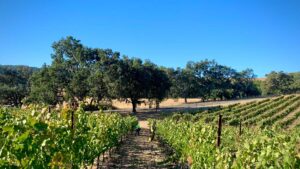
Paso Robles isn’t the obvious place you’d expect to find Tannat thriving. But when you understand the region’s geology and climate, it starts to make perfect sense.
The Willow Creek District — where our fruit is sourced — sits in the western portion of Paso Robles, influenced by marine air flowing through the Templeton Gap. Days are warm and sun-drenched, but evenings cool dramatically, sometimes dropping 50°F from the afternoon high. That diurnal temperature swing is critical. It slows ripening, preserves natural acidity, and allows the grape to develop complexity without losing freshness.
The soils here — predominantly calcareous clay and limestone-influenced — mirror in some ways the terroir of Madiran. They stress the vine, concentrate the fruit, and produce wines with structure and longevity.
The result is a Paso Robles Tannat that sits beautifully between the Old World and the New: bold and structured like a Madiran, but with the approachable fruit character and warmth that California does so well.
What Does Tannat Actually Taste Like?
This is the question we get most often — and our favorite to answer.
Tannat is not a subtle wine. It announces itself in the glass, but is surprisingly clean on the palate and finish. Expect:
Deep color — Tannat produces a palate from medium to some of the most intensely dark, inky wines you’ll ever encounter. The terrior and growing style will influence this outcome.
Dark fruit — Tannat has a more subtle dark fruit play. While it can vary, again, based upon terrior and winemaking techniques, fruit takes more of a backseat to more of the earthy complexities.
Earthy complexity — Beneath the fruit, there’s a savory, earthy core: dark chocolate, tobacco, graphite, and forest floor. This is where the Old World roots show.
Firm tannins with real structure — Tannat’s calling card. While they are inherent in the name, the Tannins can vary based upon terrior, cooperage and winemaking techniques. Done right, and a little cellaring, tannins in this varietal can evolve into something silky and magnificent.
Exceptional aging potential — Well-made Tannat rewards patience. Our 2021 vintage is drinking beautifully now, but will continue to develop for a decade or more.
The Health Angle (Yes, Really)
Wine and health claims require careful handling, but Tannat is genuinely notable in one respect: it contains exceptionally high levels of procyanidins, a class of antioxidants linked in some research to cardiovascular health. In fact, Tannat has been cited in studies examining the so-called “Gascon paradox” — the observation that residents of the Gers region in France, where Tannat is widely consumed, have unusually low rates of cardiovascular disease despite a rich, fat-heavy diet.
We’re not making any health claims here — drink wine because it’s delicious and brings people together. But it’s a fascinating dimension of a grape that seems determined to surprise you.
How to Serve and Pair Tannat
Temperature: Serve at 62–65°F — slightly cooler than room temperature. Too warm and the alcohol becomes prominent; too cool and the aromatics close up.
Decanting: Yes, absolutely. Give our Tannat at least 30–45 minutes in a decanter. The wine opens dramatically and the tannins soften noticeably. It’s one of those wines that genuinely transforms with air.
Food pairings — where Tannat shines:
- Red meat — This is Tannat’s natural partner. Grilled ribeye, braised short ribs, lamb chops, or a slow-cooked brisket. The tannins cut through fat beautifully, and the wine’s intensity matches the depth of the meat.
- Game — Venison, duck, wild boar. Tannat has the muscle to stand up to gamey, complex flavors where lighter reds fall flat.
- Aged hard cheeses — Manchego, aged cheddar, pecorino. The salt in the cheese softens the tannins and amplifies the fruit.
- Dark chocolate — An indulgent pairing that highlights the wine’s cocoa and dark fruit notes. 70%+ cacao is the sweet spot.
- Hearty stews and braises — Beef bourguignon, osso buco, lamb tagine. Tannat loves slow-cooked richness.
What to avoid: Delicate fish, light salads, and anything with high acidity or bright citrus. Tannat will overpower them entirely.
Our 2021 T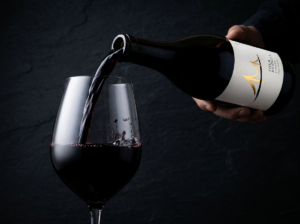 annat: What Makes It Special
Our 2021 Tannat from the Willow Creek District represents everything we love about this grape and this region working in harmony.
The 2021 vintage in Paso Robles was marked by moderate temperatures and a long, even growing season — ideal conditions for building complexity without the heat stress that can tip powerful reds toward jammy or overripe. The result is a wine with exceptional balance: the fruit is dark and concentrated, but there’s a fresh acidity threading through it that keeps things lively and age-worthy.
On the nose: blackberry compote, black pepper, dark chocolate, and a whisper of smoked meat. On the palate: full-bodied, with plush dark fruit, layers of earthy complexity, and those signature Tannat tannins — firm and structured, with the silky elegance of a 2021 vintage that is truly one of the best Tannat’s you will experience.
It is important to note the vintage of this varietal. As a testimonial the Four Bridges 2021 Tannat is in a word…unbelievable. We’re proud of it, and we think once you try it, you’ll understand why we champion this grape so passionately.
→ Shop the 2021 Four Bridges Tannat
Wine with Purpose
Every bottle of Four Bridges Tannat — like every wine we make — supports a cause we believe in. A portion of each purchase is donated to charitable organizations our customers help us choose. So when you open a bottle of our Tannat, you’re not just experiencing one of California’s most remarkable and rare red wines. You’re doing a little good in the world.
That feels like the right way to drink wine.
Ready to Try California’s Most Exciting Red?
Tannat is not a wine for everyone — and that’s exactly why it’s for you. If you’re a wine lover who has explored the familiar and is hungry for something bold, structured, and genuinely different, this is your grape.
Shop our 2021 Paso Robles Tannat →
Join the Four Bridges Wine Club for exclusive access to limited releases →
Four Bridges Wines is a family-owned winery crafting bold Rhône-style wines from the Willow Creek District and Templeton Gap in Paso Robles, California. Every bottle we make supports a charitable cause. Learn more about our story.